
Working capital diligence starts with definitions
Finsider Labs / Updated September 12, 2026 / 3 min read
Before debating a working capital target, agree on the accounts, periods, and operating assumptions that define the analysis.
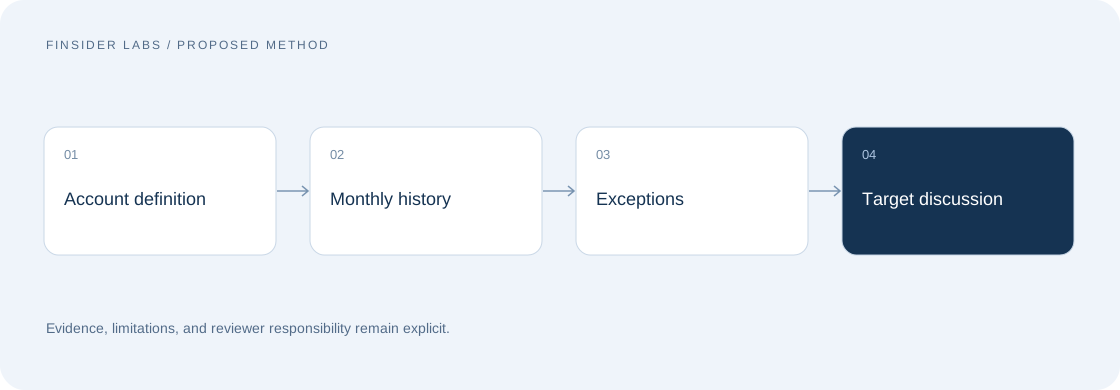
Agree on the definition
Working capital is not a universal number with a universal definition. The accounts included in an analysis and the treatment of unusual balances depend on the business, transaction, and agreed scope.
Start with a written account-level definition. Identify the operating assets and liabilities included, the entities covered, and any exclusions that may also be considered elsewhere in the transaction.
Understand the operating cycle
Use a consistent monthly history where available. A single balance-sheet date may not represent the funding needs of a seasonal or rapidly changing business.
Understand the operating cycle. Customer collection patterns, inventory purchasing, supplier terms, and accrued expenses can explain movements that a high-level balance sheet does not.
Reconcile the schedules to the financial baseline. Differences between aging reports, trial balances, and financial statements need to be understood before an average or target is interpreted.
Review unusual movements
Review unusual or non-operating balances separately. Keep the original account, proposed treatment, evidence, and rationale visible so adjustments can be assessed without losing the starting point.
Look for changing behavior near a measurement date. Accelerated collections, delayed payments, unusual purchases, or accounting reclassifications may affect comparability and merit management follow-up.
Distinguish an analytical observation from a negotiated position. The diligence work can inform a working capital discussion, but it does not replace the transaction parties and their advisors in agreeing contractual terms.
Keep the negotiation separate from the analysis
Document the effect of missing periods and unresolved balances. A clean presentation should not imply that incomplete information has been verified.
Addback includes a working capital screen. For deeper financial analysis, use Finsider Platform or discuss the working capital scope of a full Advisory QoE engagement.
This note is a practical methodology framework, not legal advice, a transaction-specific peg recommendation, or a report of validated research results.
Illustrative operating working capital
Illustrative example / not empirical results
| Included balance | Amount (USD thousands) | Scope assumption |
|---|---|---|
| Trade receivables | 180 | Included for this example |
| Inventory | 120 | Included for this example |
| Trade payables | -100 | Deducted for this example |
| Operating accruals | -40 | Deducted for this example |
| Operating working capital | 160 | 180 + 120 - 100 - 40 |
| Cash, debt, and taxes | Excluded | Example definition only; agree the actual scope |
Sources and context
These sources inform the discussion. They do not validate Finsider product performance or the proposed method.
Seasonality, growth, industry context, and unusual transactions can affect a working capital target. A historical average is not automatically the negotiated target.